Responsibility, Made Practical
A Safer Building Starts With A Better Understanding.
Fire risk assessment is a structured look at how a fire could start, who could be harmed and whether the precautions in your building are suitable. For Bristol business owners, facilities managers and commercial landlords, the useful outcome is a recorded assessment and a prioritised plan that people can act on.
We help define the assessment your premises need, from a city-centre office to a warehouse or a building with shared access. The starting point is the way your business actually uses the space, including visitors, contractors, shift workers and anyone who may need help to leave safely.
Tell us about your premises before booking. The scope should make clear which areas will be inspected, which records will be reviewed and where separate specialist advice may be needed. A straightforward brief helps avoid gaps between what you expect and what the assessment covers.
Who Has Fire-Safety Responsibilities In Bristol?
Bristol is in England, where the Regulatory Reform (Fire Safety) Order 2005 provides the main framework for general fire safety in business premises. Employers are responsible persons for workplaces to the extent of their control, and owners, occupiers or others with control can also have duties. A business should identify those responsibilities before deciding who needs to arrange an assessment.
The assessment needs to be suitable and sufficient for the risks in the premises. An office, school, factory, shop or warehouse may each need a different level of knowledge and a different inspection scope. The legal question is not simply whether the premises are large, or whether someone has asked to see a certificate.
In a shared building, your responsibilities may overlap with those of a landlord or another occupier. Shared stairs, fire alarms and final exits can affect several businesses at once. Exchange relevant information and agree how the emergency arrangements connect, rather than treating each occupied unit as isolated from the rest of the building.
A Written Assessment, With Actions You Can Manage
Current government guidance on recording duties says that responsible persons must record the assessment in full and record their fire-safety arrangements. This applies regardless of the size of the business. If you appoint an assessor, keep their identity and, where applicable, organisation details with the assessment records.
A usable report explains the premises, who may be affected, what has been checked and why action is needed. Recommendations should distinguish urgent concerns from planned improvements, with clear ownership and appropriate timescales. Where access is restricted or records are unavailable, the report should identify the limitation and the further work required.
An assessment is a management tool, not a promise that a fire cannot occur or a substitute for carrying out repairs. The responsible person needs to organise actions, retain evidence and keep the arrangements effective as the business changes. A report left unread does not address the risks it identifies.
What We Consider During An Assessment
A fire risk assessment examines the relationship between hazards, people and precautions. Sources of heat or ignition need to be considered alongside the materials that could burn. Working patterns matter too, including periods with fewer staff, public access and contractors carrying out unfamiliar tasks.
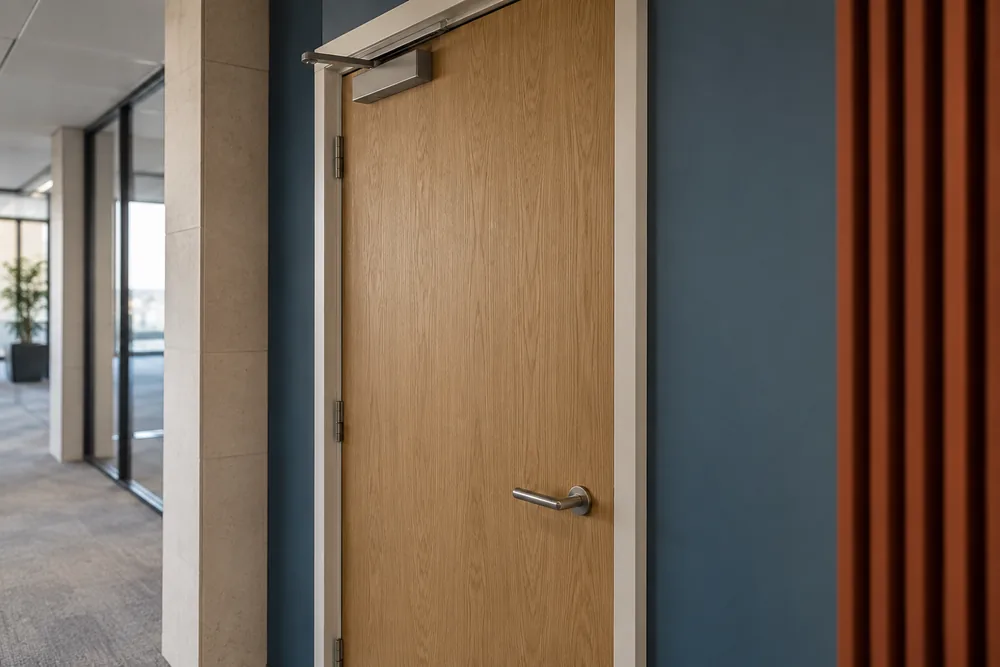
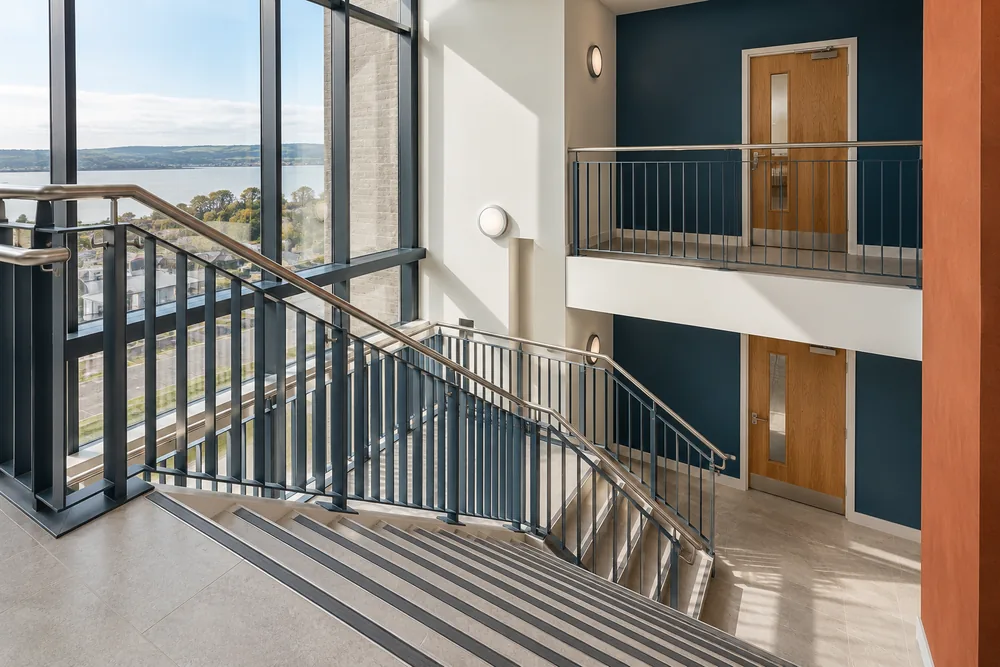
Escape arrangements need to work for the people present. That includes usable routes, final exits, warning arrangements and any assistance needed by people who cannot use the normal route unaided. The inspection also considers visible doors and fire separation, emergency lighting and the management of fire-safety equipment within the agreed scope.
The government assessment checklist provides a useful outline of the assessment stages. The detail still needs to match your premises. A generic checklist cannot settle a complex evacuation strategy, determine concealed construction or replace specialist examination of an unusual industrial process.
How Fire Risk Assessment Cost Is Worked Out
Cost follows the work involved. The number of floors, building layout, occupancy, activities and accessible records all affect the time needed to inspect and prepare useful findings. A compact unit with straightforward operations may require a different scope from an interconnected building with several tenants and shared escape routes.
Other factors include the number of buildings, access restrictions and whether existing assessment documents are complete enough to support a review. Fire door schedules, intrusive investigations, fire engineering and system testing are distinct services when required. Ask for those items to be identified rather than assuming they are included in the assessment price.
For a useful quotation, send your postcode, premises type, approximate floor area or number of floors, current use and the reason you are seeking help. Mention any recent alterations, enforcement correspondence or known defects. We use that information to clarify the work rather than publish a price that may not fit your building.
Bristol Premises In Their Local Context
Temple Quarter brings together transport, business and education around Temple Meads. The University of Bristol enterprise campus connects with the station and harbourside setting. Where offices, teaching spaces and public-facing activities share a site, understanding occupancy and management boundaries is an important part of scoping an assessment.
To the west, Avonmouth and Royal Portbury form the Bristol Port dock estate. Industrial and logistics operations can present questions about stock, vehicle movements, contractor work and changing shifts. Those are matters to establish for the individual premises, rather than assumptions that every unit has the same risk.
North of the city, Filton has an aerospace and engineering employment base. Emersons Green includes the Bristol and Bath Science Park and is close to the A4174. Tell us how your particular office, workshop or technical space operates so the assessment reflects its actual use.
Reviews, Changes And The Limits Of An Assessment
Fire safety needs attention between assessment visits. A new partition, different stock, altered working hours or a change in the people needing assistance can affect the earlier findings. Review when there is reason to doubt the assessment remains valid and after significant change, as well as keeping a regular review arrangement.
A general assessment usually relies on accessible observations and the evidence supplied. It should not be described as proof of concealed compartmentation, certification of every fire door or confirmation that an alarm system meets a particular design specification. Those questions may need additional records, testing or specialist investigation.
If you inherit an assessment when taking on premises, check its scope, date, limitations and outstanding actions. Confirm that it reflects your proposed use before relying on it. Our assessment review service can help identify whether a focused update or a fresh inspection is the sensible next step.